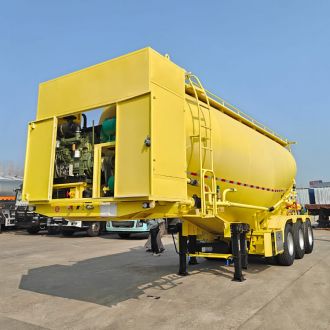
1. From Bagged Cement to Bulk Logistics
2. How Pneumatic Cement Transport Actually Works
3. Capacity Selection Is Really a Fleet-Efficiency Decision
For many industrial buyers in Ghana, the question is no longer whether cement can be delivered to a project site. The real challenge is whether cement can be delivered consistently, economically, and without creating bottlenecks in the production process. As construction projects become larger and supply chains become more demanding, transportation efficiency has become just as important as cement production itself.
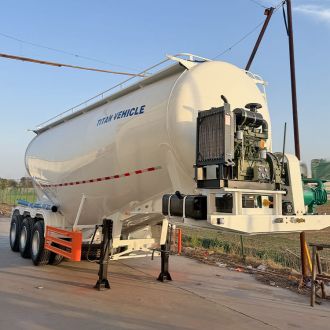
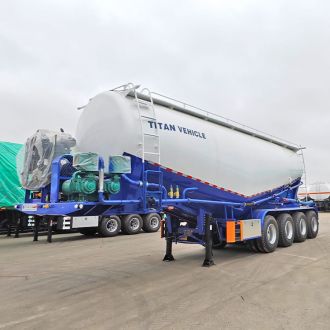
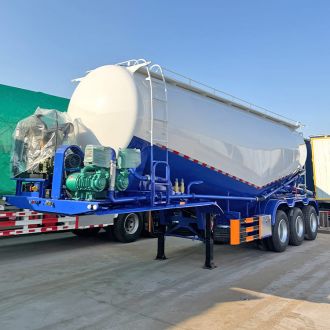
This change explains why the bulk cement tanker is becoming an increasingly important piece of transportation equipment across the construction, mining, manufacturing, and logistics sectors. A bulk cement tanker is not simply a tank mounted on a trailer chassis. It is a complete transportation system designed to move powdered materials in a sealed environment and transfer them directly into storage facilities through pneumatic unloading.
Traditional bagged transportation and bulk transportation solve the same problem in completely different ways. Bagged transportation depends on repeated manual handling. Cement must be loaded, transported, unloaded, stacked, moved again, and eventually introduced into the production process. Every additional handling step increases labor requirements and creates more opportunities for contamination, material loss, and scheduling delays.
A bulk cement tanker trailer, by contrast, converts cement transportation into a continuous industrial process. Cement is loaded directly into the tank body, transported in a closed system, and discharged into a silo without manual unloading. The entire operation is designed around speed and material preservation.
This distinction is particularly important in Ghana, where cement frequently travels between production facilities, ports, storage terminals, concrete plants, mining sites, and infrastructure projects. Long transportation distances can magnify inefficiencies. A loading or unloading delay that seems insignificant during one trip can become a major operational problem when it is repeated dozens of times every month.
The growing demand for efficient cement transportation in Ghana has also changed how fleet managers evaluate equipment. Historically, buyers focused almost exclusively on carrying capacity. Today, purchasing decisions are influenced by unloading speed, compressor performance, structural durability, maintenance requirements, and compatibility with existing storage facilities.
For this reason, selecting a bulk cement trailer requires a broader perspective than simply comparing payload figures. A bulk cement trailer carrying more material does not automatically create greater operational efficiency. Transportation must be evaluated as a complete cycle that includes loading, travel, unloading, cleaning, maintenance, and return scheduling.
The TITAN configurations discussed in this article illustrate this principle well. The available models include 42 m³ and 50 m³ tank volumes, while payload capacities reach 50 tons and 60 tons. However, these figures represent only part of the decision-making process. The more important question is how those specifications influence daily operations in Ghana.
A construction company supplying multiple concrete sites in Ghana may prioritize rapid unloading and scheduling flexibility. A mining operator may focus on transportation volume and route efficiency. A cement distributor may emphasize fleet utilization and operating costs. Although all three organizations may purchase a bulk cement tanker trailer, their equipment requirements are not necessarily the same. Understanding those differences is the foundation for choosing the right transportation solution.
 Bulk Cement Tanker Trailer for Sale in Ghana
Many buyers begin their research by asking a very basic question: What is a bulk tanker?
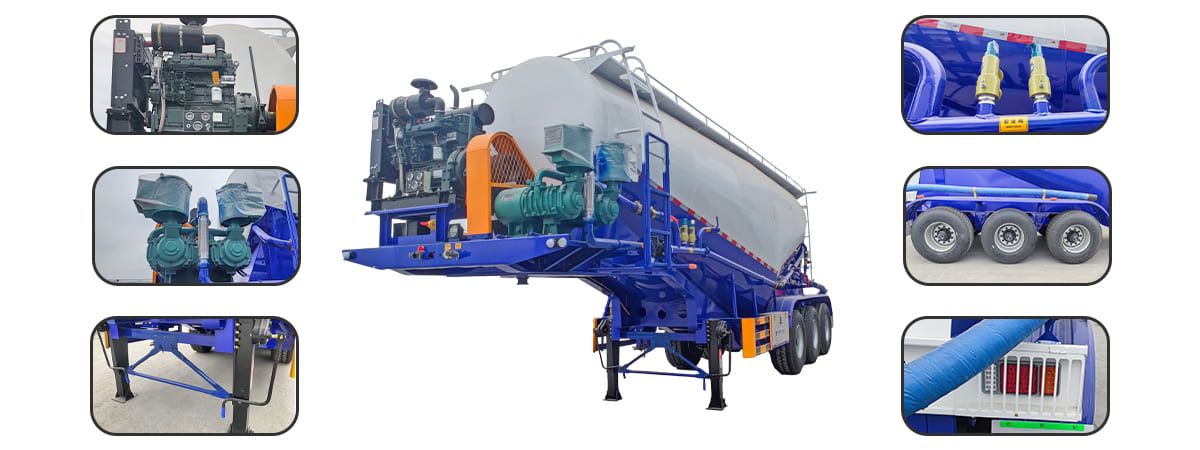
A bulk tanker is a vehicle designed to transport unpackaged materials in large quantities. A bulk cement tanker is a specialized dry bulk transport vehicle engineered specifically for powdered materials such as cement. Unlike liquid tankers, which depend largely on gravity during unloading, a bulk cement tanker trailer requires a pneumatic system to transfer material from the tank into a receiving silo.
Understanding this operating principle is essential because it explains why a bulk cement trailer can dramatically improve transportation efficiency. The transportation process begins with loading. Cement enters the tank through manhole openings positioned along the top of the bulk cement trailer. The 42 m³ model incorporates 2–3 manhole covers, while the 50 m³ model uses 3–4 manhole covers. These openings allow operators to distribute cement throughout the tank while simplifying inspection and maintenance procedures.
Once loading is complete, the material remains enclosed throughout transportation. This sealed environment provides several practical advantages. Cement is protected from external contamination, exposure to moisture is minimized, and product loss during transportation is significantly reduced. These factors become increasingly important when operating in Ghana, where transportation routes may include both urban highways and industrial corridors.
The most distinctive feature of a bulk cement tanker is the unloading system. Cement cannot simply be poured from the tank because powdered materials tend to compact during transportation. To solve this problem, compressed air is introduced into the tank. The air breaks up compacted material and creates a fluidized state in which cement behaves almost like a liquid.
The TITAN models use a Weituo 4105 high-horsepower diesel engine combined with a Bohai 12 m³ dual-cylinder air compressor. These components work together to generate the pressure necessary to move cement through the discharge system.
This technology answers another frequently asked question: How is bulk cement transported?
Bulk cement is transported through a combination of enclosed storage and pneumatic unloading. The tank protects the material during transportation, while the compressed-air system enables direct transfer into a storage silo. Because the unloading process does not depend on manual labor, the entire operation can be completed much more efficiently than traditional bagged delivery.
Discharge performance is especially important for industrial users in Ghana. Cement plants, batching facilities, and manufacturing sites often rely on elevated storage systems. The TITAN configurations support unloading heights of up to 30 meters, while operations involving silos below 25 meters can be completed in approximately 30 minutes with the 42 m³ model.
The larger 50 m³ bulk cement tanker trailer requires approximately 50 minutes under the same operating conditions. Although the unloading time is longer, the model compensates by carrying a larger quantity of cement.
Another detail that deserves attention is residual material. A transportation cycle does not end when the visible cement disappears from the tank. Remaining material affects product utilization and operating efficiency. The 42 m³ bulk cement tanker leaves less than 150 jin of residual cement after unloading, helping operators maximize material recovery.
For fleet managers in Ghana, unloading efficiency has a direct influence on equipment utilization. A vehicle that spends excessive time at the unloading site completes fewer transportation cycles and generates lower productivity. Consequently, evaluating compressor performance can be just as important as comparing payload specifications.
Many buyers focus exclusively on transportation capacity when evaluating a bulk cement trailer. Experienced operators understand that the real measurement of efficiency is cycle time. The most productive equipment is not always the bulk cement tanker trailer that carries the greatest amount of material. It is often the vehicle that integrates loading, transportation, and unloading into the most efficient operational sequence.
 Bulk Cement Tanker Trailer for Sale in Ghana
One of the most common industry questions is straightforward: How much cement does one bulker carry?
The answer depends on how capacity is measured. Some buyers evaluate a bulk cement tanker according to tank volume, while others focus on payload. Both measurements are important because they describe different aspects of transportation performance.
The TITAN product range demonstrates why capacity selection should be approached as a fleet-management decision rather than as a simple comparison of numerical specifications.
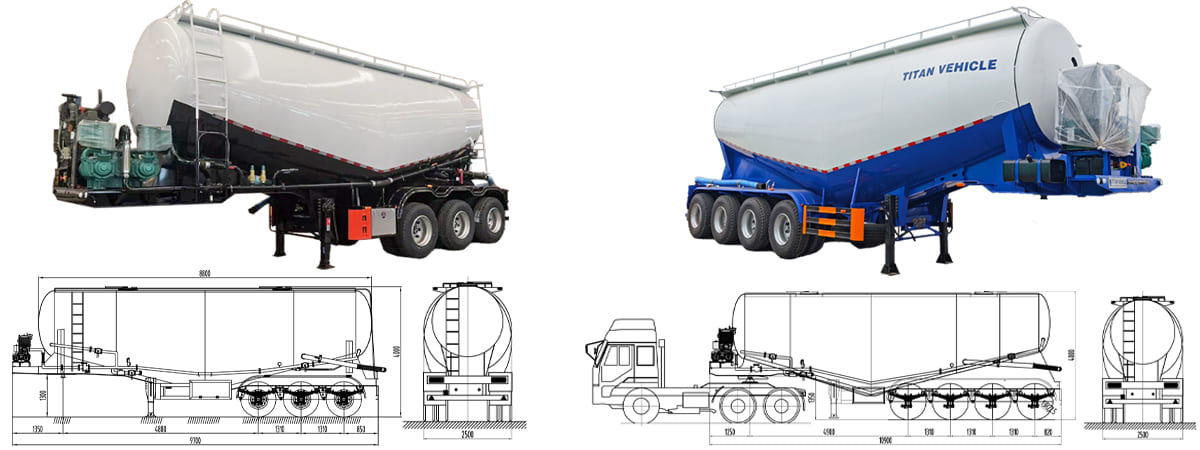
| Configuration | Tank Volume | Payload | Dimensions | Axle Configuration | Suitable Operations |
|---|---|---|---|---|---|
| Three-axle model | 42 m³ | 50 tons | 10000 × 2500 × 4000 mm | 3 axles | Flexible distribution |
| Three-axle model | 50 m³ | 60 tons | 11150 × 2500 × 4000 mm | 3 axles | High-volume transportation |
| Four-axle model | 42 m³ | Not specified | 10900 × 2500 × 4000 mm | 4 axles | Improved weight distribution |
The 42 m³ bulk cement tanker trailer represents a balanced transportation solution. With a payload capacity of 50 tons, it combines substantial carrying capacity with a more compact overall length of 10000 mm. This configuration may be advantageous when transportation routes include industrial facilities with limited maneuvering space.
The 50 m³ bulk cement trailer follows a different philosophy. Instead of emphasizing flexibility, it focuses on maximizing transportation efficiency. Increasing the payload to 60 tons allows operators to reduce the number of trips required to deliver a specific quantity of cement.
However, larger capacity does not automatically translate into lower operating costs. Suppose a batching plant in Ghana consumes a predictable quantity of cement every day and has large storage silos. In this situation, the 50 m³ bulk cement tanker may provide a clear operational advantage because fewer deliveries are required.
Now consider a contractor supplying multiple project sites in Ghana. Frequent unloading, changing destinations, and variable storage capacities may shift the advantage toward a smaller configuration. These examples illustrate why equipment selection should always begin with transportation requirements rather than specifications.
Axle configuration adds another layer to the decision-making process. The TITAN bulk cement tanker trailer use 13-ton axles, but the number of axles varies according to the model. Three-axle configurations distribute the load across three 13-ton axles, while the four-axle design spreads the load across four 13-ton axles. This difference influences far more than carrying capacity. Weight distribution affects braking performance, suspension loading, tire wear, maintenance planning, and overall vehicle stability.
The braking system includes 16-ton brake linings and synchronized braking valves. These components become particularly important during repeated transportation cycles because industrial fleets rarely operate under ideal conditions. Vehicles may encounter varying road surfaces, changing traffic patterns, and frequent stops.
Suspension design also contributes to operational reliability. The bulk cement tanker trailers incorporate a mechanical suspension system based on 70# 8 mm suspension components and 10 pieces of 13 mm leaf springs. These specifications support heavy-load applications while helping distribute forces throughout the chassis.
Wheel and tire configurations also differ according to the model. The three-axle versions use 12 TITAN 12R22.5 tires mounted on 12 steel rims measuring 9.0-22.5, while the four-axle version increases these figures to 16 tires and 16 rims.
For transportation companies in Ghana, these specifications should not be viewed as isolated technical data. Instead, they should be interpreted as indicators of how the trailer will perform during daily operations.
The most effective bulk cement tanker trailer is the one that aligns with the transportation network, unloading infrastructure, fleet strategy, and operating environment. Capacity remains important, but it is only one component of a much larger logistical equation.
The service life of a bulk cement tanker is determined by much more than its nominal carrying capacity. In actual operating environments, durability is influenced by the interaction between the tank structure, the suspension system, the braking system, the pneumatic unloading equipment, and the protective treatment applied during manufacturing.
This is particularly important in Ghana, where a single transportation route may include highways, industrial roads, port access roads, mining corridors, and temporary construction roads. Unlike container transportation, cement logistics usually involve repeated loading and unloading cycles. The equipment does not simply carry cargo from one location to another and remain idle for several days. Instead, a bulk cement tanker trailer often operates continuously between production facilities and end users, making structural durability a critical factor in fleet profitability.
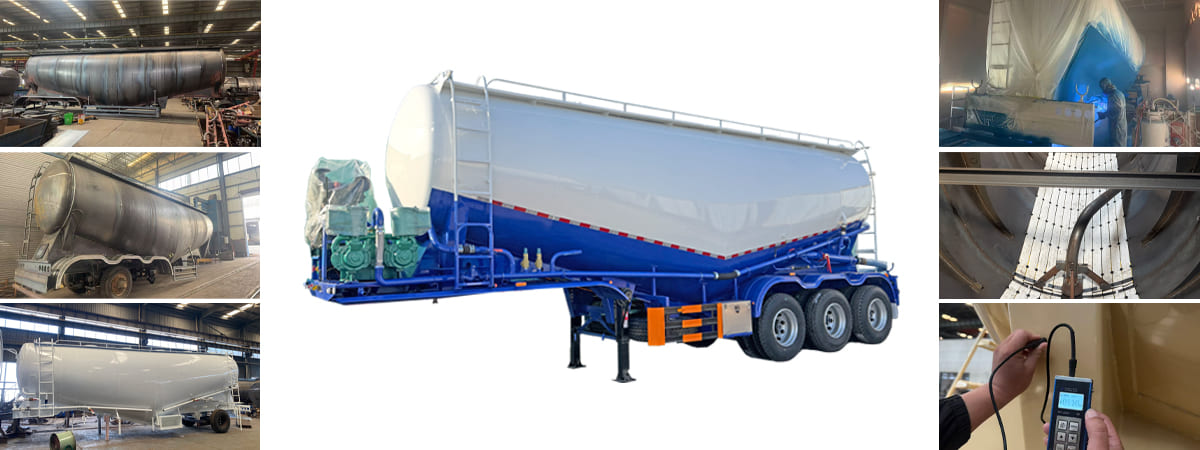
Material selection provides the first indication of a trailer's engineering philosophy. All of the TITAN bulk cement tanker trailer models discussed in this article use high-manganese alloy steel. This material supports the tank structure during repeated transportation cycles while providing the strength required for heavy-load applications. The relationship between payload and material thickness can be seen by comparing the available models. The 42 m³ configuration uses a cylinder thickness of 3.75 mm and an end-plate thickness of 4.75 mm, while the larger 50 m³ model increases these values to 4.75 mm and 5.75 mm, respectively.
These differences reflect the additional structural requirements created by increased payload capacity. A 60-ton transportation cycle creates different mechanical forces than a 50-ton cycle. By increasing the thickness of the tank body and end plates, the larger bulk cement tanker trailer can better accommodate the additional operational demands associated with higher material volumes.
The suspension system is equally important because it influences load distribution and ride stability. TITAN uses a mechanical suspension configuration incorporating 70# 8 mm suspension components and 10 pieces of 13 mm leaf springs. This arrangement helps distribute forces throughout the chassis and supports long-term operation under demanding transportation conditions.
Braking performance also deserves careful attention. A fully loaded bulk cement trailer carries a substantial quantity of material, making braking efficiency essential for operational safety and equipment control. The TITAN configurations use 16-ton brake linings together with synchronized braking valves to improve braking coordination across multiple axles.
Tire specifications influence both maintenance planning and load support. The three-axle models use 12 TITAN 12R22.5 tires mounted on 12 steel rims measuring 9.0-22.5, while the four-axle configuration increases these figures to 16 tires and 16 rims. The larger wheel assembly of the four-axle model contributes to more evenly distributed ground contact.
Several supporting components also affect long-term reliability. The bulk cement tanker trailer incorporate 28-ton external landing gear equipped with a gearbox, two spare-tire carriers, an aluminum toolbox, and an integrated waterproof rear toolbox. Although these features may seem secondary compared with payload specifications, they contribute directly to maintenance efficiency and day-to-day operations.
Corrosion protection is another engineering consideration that should not be overlooked. The manufacturing process includes sandblasting, powder coating, and final vehicle waxing. Together, these processes improve surface protection and help preserve the structure during transportation and storage.
For buyers in Ghana, the most valuable engineering feature is not necessarily the most visible one. Durability is created through the combination of multiple design decisions rather than through any individual specification. A well-designed bulk cement tanker should maintain stable performance across thousands of loading, transportation, and unloading cycles while minimizing maintenance interruptions and preserving structural integrity.
 Bulk Cement Tanker Trailer for Sale in Ghana
A bulk cement tanker is not designed for a single industry. The same transportation platform can support construction, mining, manufacturing, infrastructure development, and commercial cement distribution. However, each industry uses the equipment differently, which is why understanding the operating environment is essential when selecting a bulk cement tanker trailer.
Construction remains one of the most important application areas in Ghana. Large building projects require a steady supply of cement, and interruptions in material delivery can quickly affect productivity. Concrete placement schedules are often tightly coordinated with labor availability, equipment deployment, and material supply. Delays in cement transportation can therefore influence multiple stages of a project simultaneously.
A bulk cement trailer offers a practical solution because it reduces manual handling while supporting direct silo loading. Instead of unloading thousands of cement bags, operators can transfer material directly into storage systems and continue production with minimal interruption.
Infrastructure development creates another major source of demand in Ghana. Roads, bridges, drainage systems, industrial facilities, and public works all require substantial quantities of concrete. Because many infrastructure projects operate according to strict timelines, transportation efficiency becomes increasingly important.
Concrete batching plants are among the most suitable environments for a bulk cement tanker trailer. These facilities are designed around continuous material consumption and frequently rely on elevated storage silos. Pneumatic unloading technology allows cement to move directly from the trailer into storage without requiring intermediate handling steps.
Mining operations in Ghana create different logistical challenges. Transportation distances are often longer, and project locations may be considerably farther from major distribution centers. Under these conditions, a bulk cement tanker with a higher payload may help reduce transportation frequency and improve supply continuity.
Manufacturing facilities also benefit from bulk transportation systems. Industrial production often depends on predictable material deliveries, making transportation reliability just as important as transportation capacity. A bulk cement trailer supports these requirements by maintaining a closed transportation environment and reducing material loss.
Cement distributors represent another important customer group in Ghana. Their priorities often differ from those of construction companies or mining operators. Distribution businesses may focus more heavily on fleet utilization, delivery scheduling, route planning, and unloading efficiency.
These differences demonstrate why there is no universally ideal bulk cement tanker trailer.
A contractor transporting cement to several urban construction sites may prioritize maneuverability and unloading speed. A mining company may emphasize payload capacity. A batching plant may focus on compatibility with existing storage systems.
Because operational requirements vary significantly across industries, the selection process should begin with a detailed evaluation of the transportation environment rather than with a comparison of specifications alone.
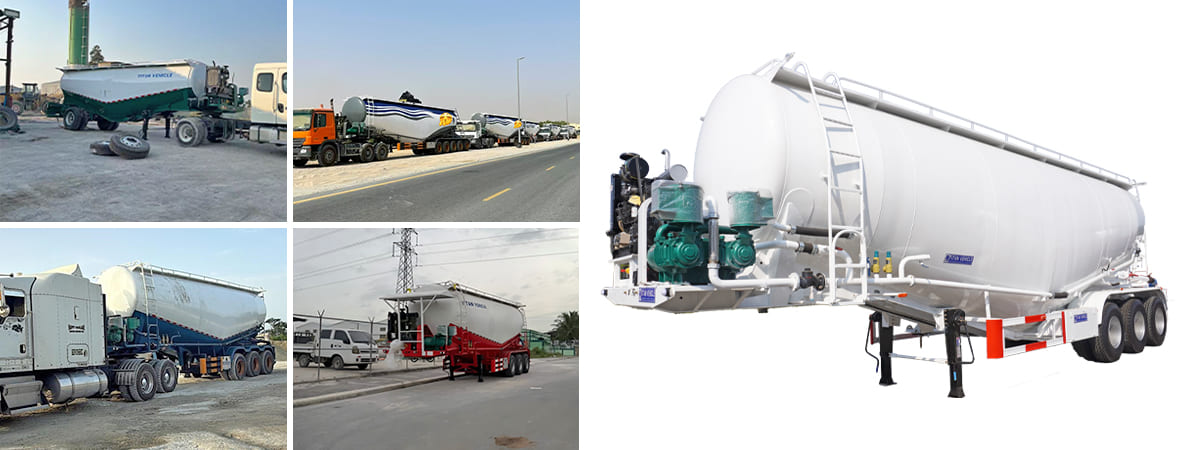 Bulk Cement Tanker Trailer for Sale in Ghana
Maintenance Planning
Maintenance planning directly affects the long-term operating cost of a bulk cement tanker trailer. Tires, brakes, suspension, unloading hoses, valves, pipelines, and pneumatic equipment should be inspected regularly, with particular attention to the air compressor and unloading system. Buyers should also consider maintenance accessibility, spare parts availability, and after-sales support before purchasing.
Device Compatibility
A bulk cement tanker should be compatible with the customer's existing silos and unloading facilities. Silo height, discharge connections, pipeline layout, and available unloading space can all affect operating efficiency. Confirming these details before purchase helps avoid unnecessary modifications and ensures smoother cement discharge.
Route Planning
The intended route should be considered when selecting a bulk cement tanker trailer. Trailers operating between fixed industrial facilities may have different requirements from those frequently entering construction sites or traveling on uneven roads. Transportation distance, road conditions, and access to loading or unloading locations can all influence the suitable trailer configuration.
Regulatory Compliance
Buyers should verify registration requirements, axle-load limits, vehicle dimensions, and road-use regulations before putting the trailer into operation. Actual legal limits may vary by route, vehicle combination, cargo weight, and operating conditions, so these requirements should be confirmed before finalizing the trailer configuration.
Successful purchasing decisions rarely depend on a single specification. Instead, they result from understanding how the equipment will perform within the broader logistics network. A bulk cement tanker should therefore be viewed as a long-term transportation asset rather than as a simple cargo carrier. The most productive fleets in Ghana typically evaluate transportation systems according to efficiency, compatibility, durability, and operating costs rather than focusing exclusively on acquisition price.
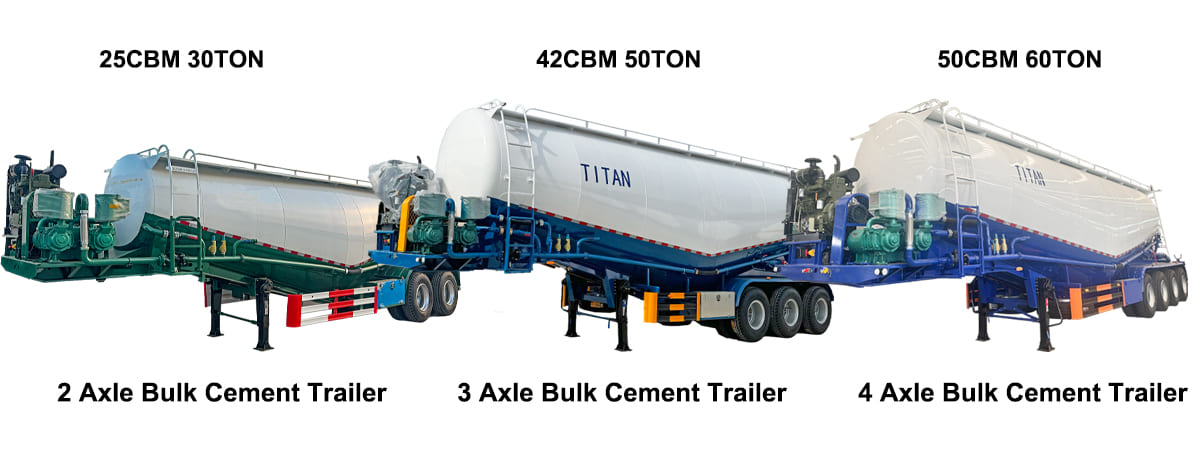 Bulk Cement Tanker Trailer for Sale in Ghana
What is a bulk cement trailer?
A bulk cement trailer is a vehicle designed to transport unpackaged materials in large quantities.A bulk cement tanker is a specialized dry bulk transporter developed specifically for powdered cement.
How much cement is in one bulker?
The amount of cement depends on the configuration.The models discussed in this article include 42 m³and 50 m³tank capacities,with payload capacities reaching 50 tons and 60 tons.
What is considered bulk transport?
Bulk transport refers to the movement of unpackaged materials rather than individually packaged goods.In the case of a bulk cement tanker trailer,cement is transported directly inside the tank instead of in separate bags.
How many tons can a full bulk cement tanker trailer carry?
The answer depends on the trailer design.In the TITAN product range,the maximum specified payload discussed in this article is 60 tons.
What is the typical capacity of a bulk cement tanker trailer?
Typical capacity can be expressed in either cubic meters or tons.The bulk cement trailer configurations examined here use 42 m³and 50 m³tank volumes.
What are the benefits of using a bulk cement trailer?
The main advantages include reduced labor requirements,improved unloading efficiency,lower contamination risk,direct silo compatibility,and better material protection during transportation.
How do you load a bulk cement trailer?
Cement is loaded through manhole openings located on the top of the tank. Depending on the configuration,TITAN bulk cement trailer use 2–3 or 3–4 manhole covers.
How is bulk cement trailer transported?
Bulk cement is transported in a sealed tank and unloaded pneumatically through compressed air.This method allows material to be transferred directly into storage silos.
What is the purpose of a bulk cement tanker trailer?
The purpose of a bulk cement tanker trailer is to transport large quantities of dry materials efficiently while reducing manual handling and improving logistics performance.
Can a bulk cement tanker discharge material into elevated silos?
Yes.The TITAN bulk cement tanker trailer configurations discussed in this article can support unloading operations at heights of up to 30 meters,making them suitable for many industrial applications in Ghana.
Add: Nii Nortei Nyanchi St, Accra, Ghana
Marketing Manager: Hitomi Zhang
Mobile: 8615853176773